

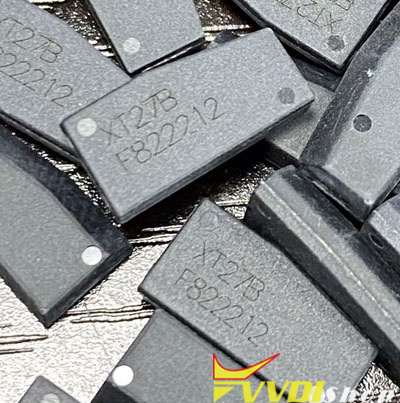
The Xhorse VVDI Super Chip XT27B is a great chip… but it doesn’t do magic.
Many hear “Super Chip” and believe that it replaces any transponder. That’s the first mistake. The XT27B greatly expands the coverage compared to the XT27A. But it still depends on the vehicle system, the equipment used and the compatibility available. A powerful tool is still just a tool.
Action plan:
• Step 1: Identify the vehicle.
• Step 2: Confirm the immobilizer system.
• Step 3: Next decide if the XT27B applies.
Where it really prove its value?
This is where many workshops recover their investment. The XT27B was designed to work with modern platforms that typically require broader coverage. When the system is supported and the equipment is up to date, it can make the job much easier. The key is to use it where it belongs. Not where “maybe it works.”
Action plan:
• Step 1: Check your device coverage.
• Step 2: Confirm that the software is updated.
• Step 3: Always work with current information.
The most expensive mistake is to trust.
Many technicians think: “It’s XT27B… it’s sure to come in.” And that’s where the problems begin. There are systems that require specific processes or additional validations. In those cases, insisting only wastes time. Diagnosing always costs less than improvising.
Action plan:
• Step 1: Do not prepare the chip by intuition.
• Step 2: Confirm the correct procedure.
• Step 3: Avoid working by trial and error.
Team success does not always mean vehicle success.
This detail surprises many. The programmer can complete the process. And even then the vehicle may reject the key during subsequent tests. That’s why the best workshops never deliver the job immediately. They always check the operation before.
Action plan:
• Step 1: Check the boot several times.
• Step 2: Check all available features.
• Step 3: Only deliver when everything responds correctly.
The real savings are not in using a single chip.
Many buy a super chip to reduce inventory. That makes sense. But the savings disappear when you have to redo the job because you chose the wrong chip. The best savings always start with a good diagnosis. Not with a cheaper chip.
Action plan:
• Step 1: Calculate the cost of rework.
• Step 2: Prioritize compatibility.
• Step 3: Buy with information, not for appearance.
XT27A or XT27B: the correct question is another.
Many ask: “Which one is better?” The real question is: “Which one does this vehicle need?” Because both fulfill different functions. It’s not about choosing the newest one. It’s about choosing the right one. This change of mentality avoids many mistakes.
Action plan:
• Step 1: Identify the system.
• Step 2: Confirm what coverage you need.
• Step 3: Then choose the chip.