


How to perform an immobilizer chip repair on an older Toyota Starlet, likely from 1998. The goal was to avoid using an expensive original chip and instead test two aftermarket alternatives: the Xhorse Super Chip XT27 and the XT15.
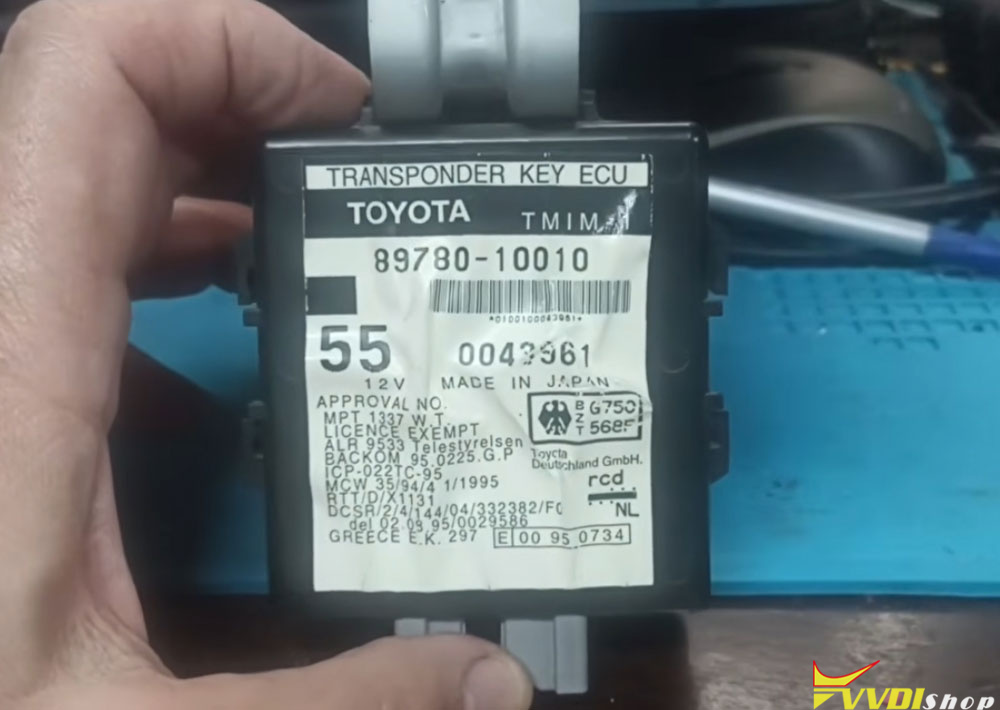
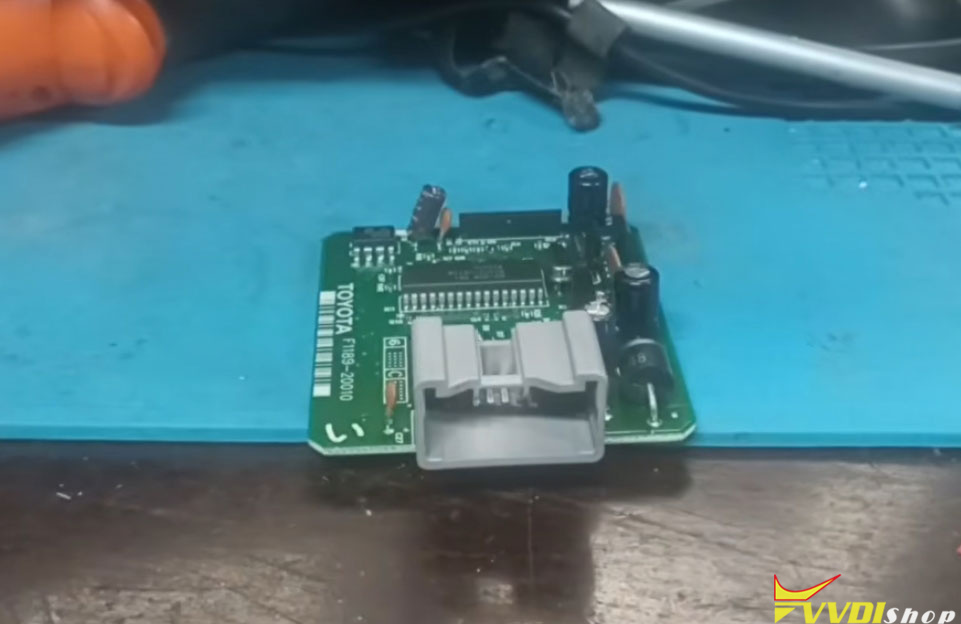
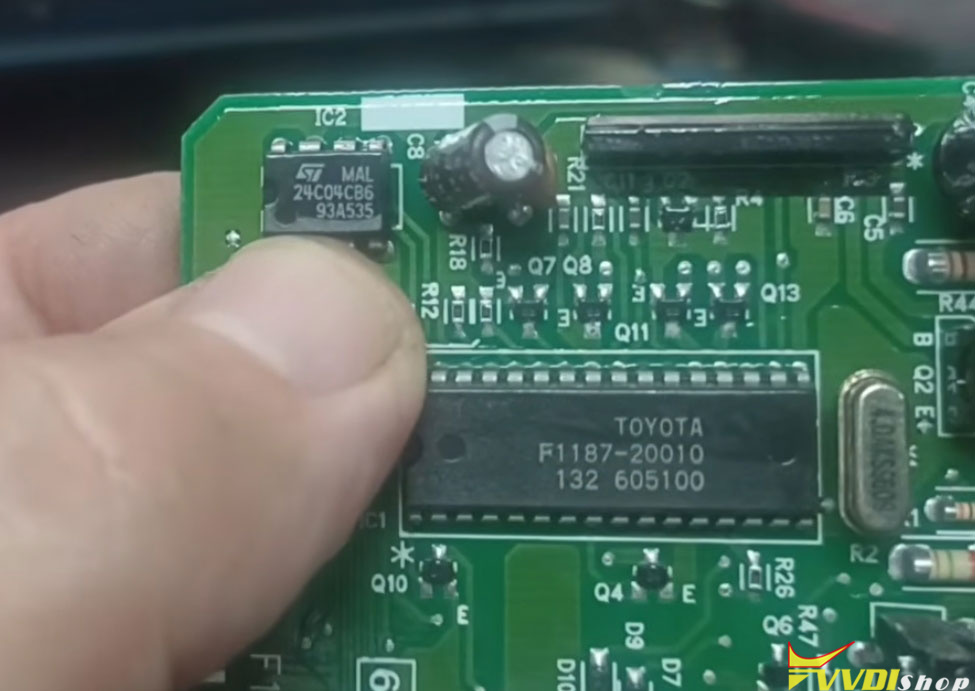
Initial Inspection
The main focus was the immobilizer box, which contained an EEPROM chip labeled 24C04. This memory chip stores the key data required to start the vehicle.
Reading the EEPROM
The first step was to read the 24C04 EEPROM. This can be done with various programmers, including Xhorse Mini Prog, Orange5, XP400 Pro, or Autel devices.
Make Key via Dump
Tango supports older Toyota models. In newer diagnostic tools, this specific data was not available.
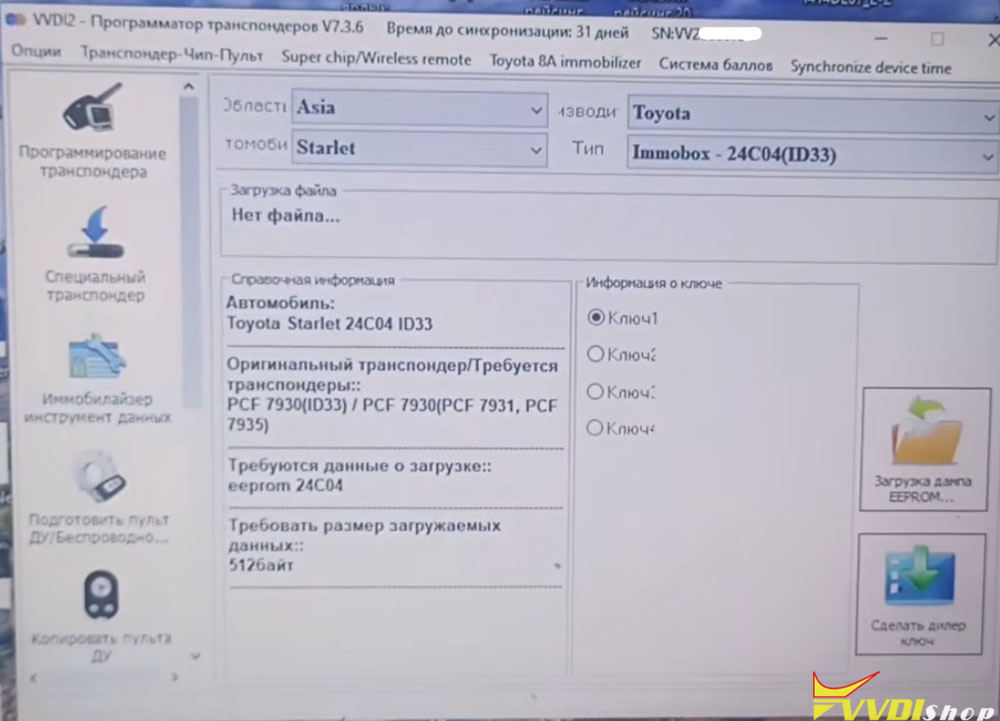
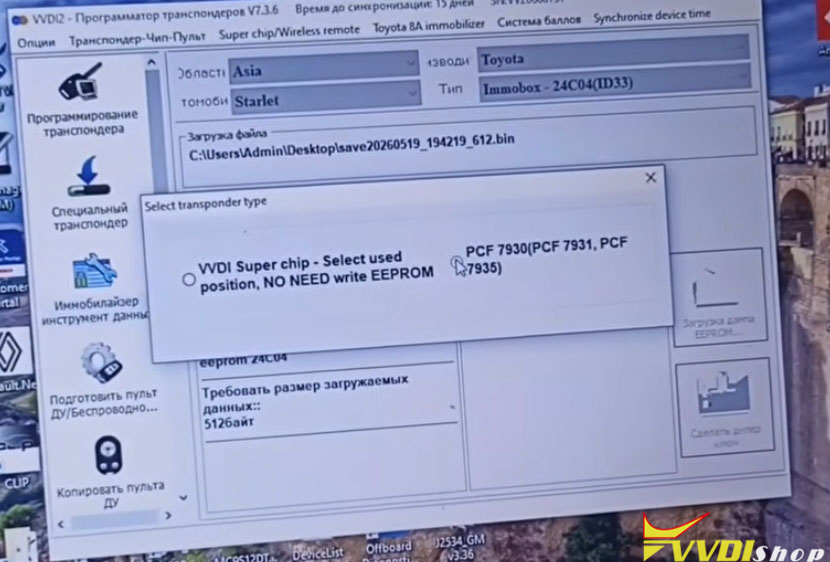
Autel and VVDI2 both can recognize the 24C04 EEPROM for the Toyota Starlet.
Writing New Chips
Two different transponder chips were prepared:
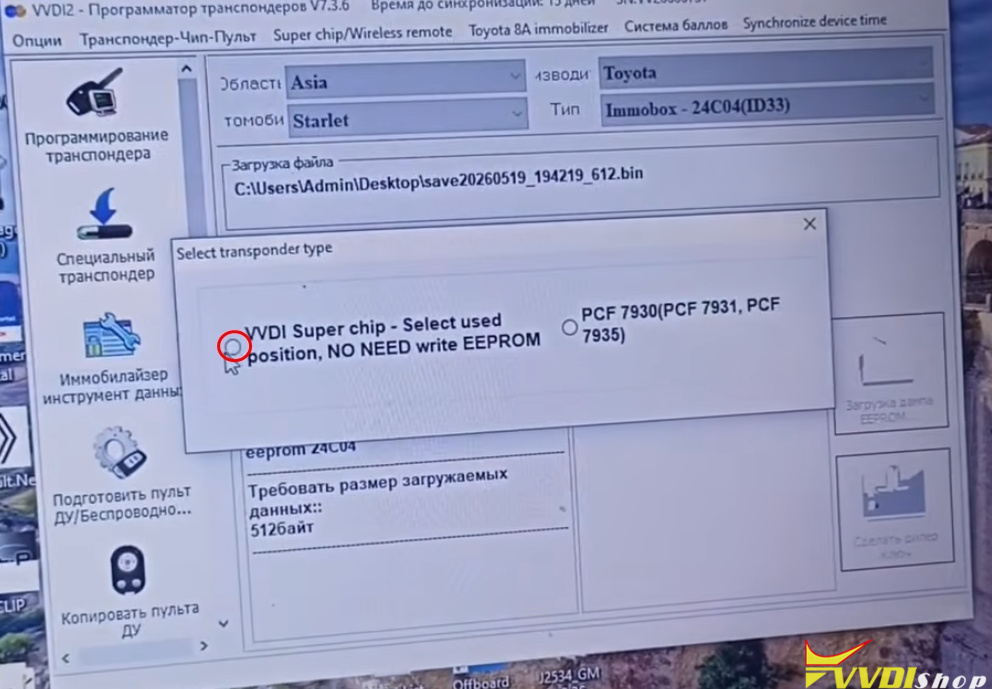
- Super Chip XT27 (XT27) – programmed as a “superchip”
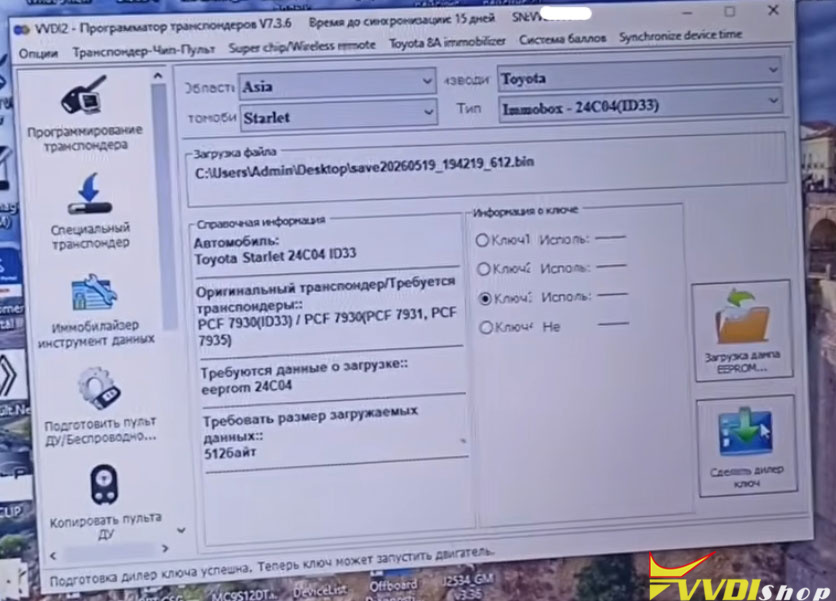
- XT15 Chip– programmed as a dealer key using X115
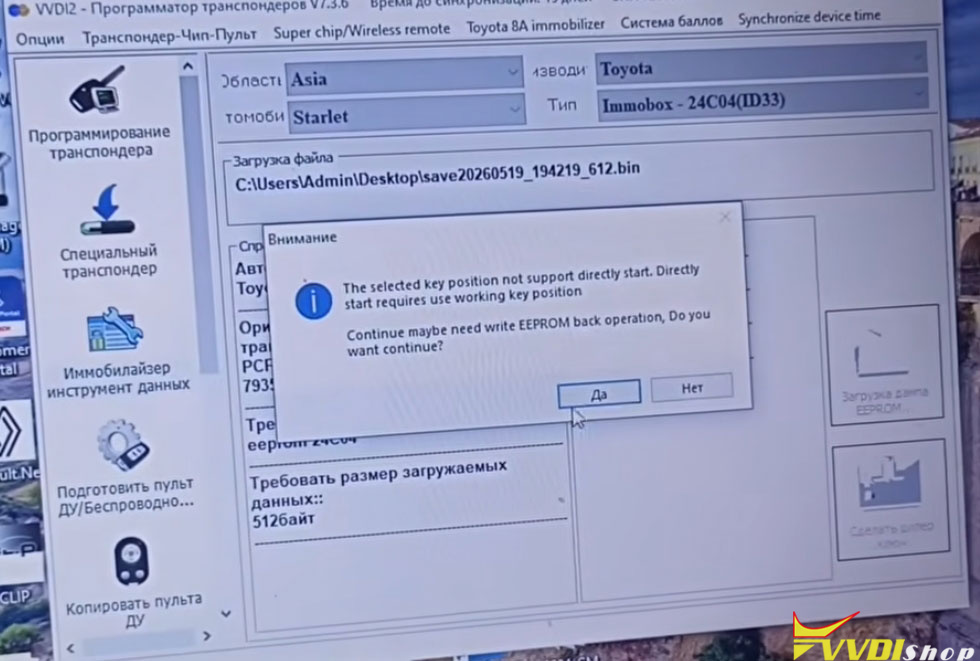
Both chips were written using the VVDI 2 device. No rewriting of the EEPROM was needed after programming.
Testing and Results
After soldering the EEPROM back onto the immobilizer board, both chips were tested in the car. The results:
- XT27 – worked perfectly. The engine started.
- XT15 – also worked, despite many technicians claiming this chip is unreliable and should be discarded.
The customer confirmed that both chips allowed the engine to start. The original expensive chip (7935) was not required.
Conclusion
For this particular 1998 Toyota Starlet, both the XT27 and XT15 chips successfully replaced the original immobilizer transponder. These chips don’t work on all vehicles, they performed well in this case.