



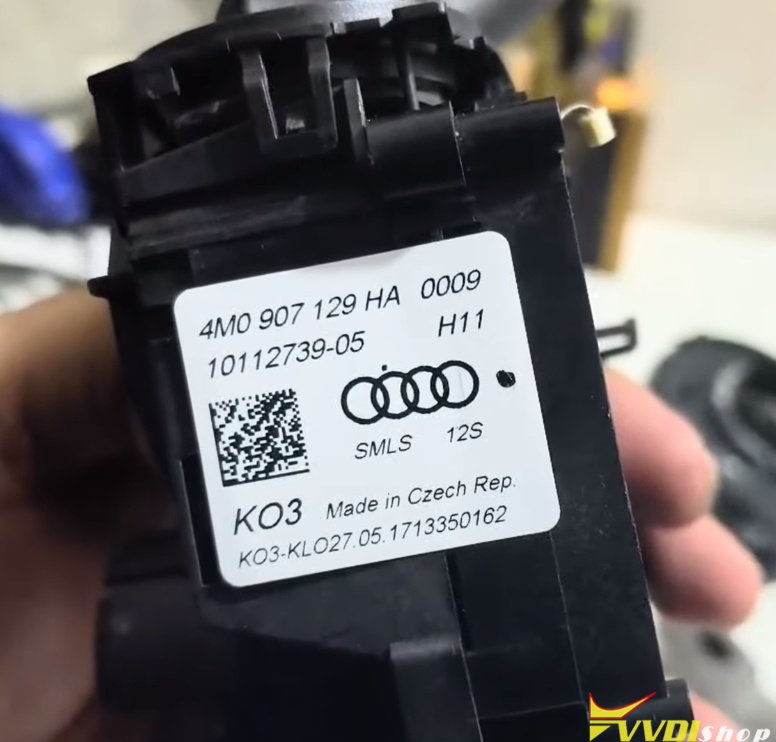
The Audi G85 steering angle sensor (part number 4M0907129HA, equipped with the D70F4000 chip) is a critical component in modern Audi vehicles. When it fails, drivers may experience warning lights, loss of power steering assistance, or communication errors with the vehicle’s ECU. This article provides a general overview of the repair process based on available repair documentation.
Understanding the Component
The Audi G85 steering angle sensor is responsible for measuring the steering wheel’s position and relaying this information to the vehicle’s stability control and power steering systems. The 4M0907129HA unit uses a D70F4000 microcontroller, which stores calibration and adaptation data. When this sensor fails, it often requires reprogramming or replacement, followed by proper calibration.
Tools and Equipment Required
Before beginning any repair, ensure you have the following:
- A compatible diagnostic tool (such as VCDS, ODIS, or Autel)
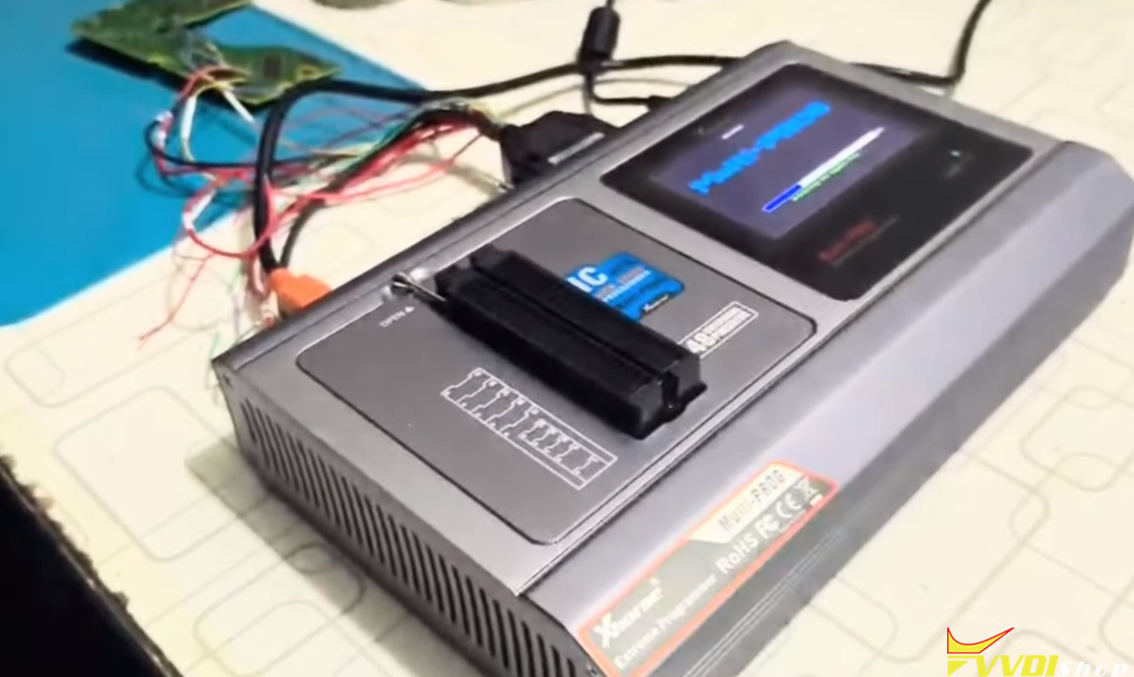
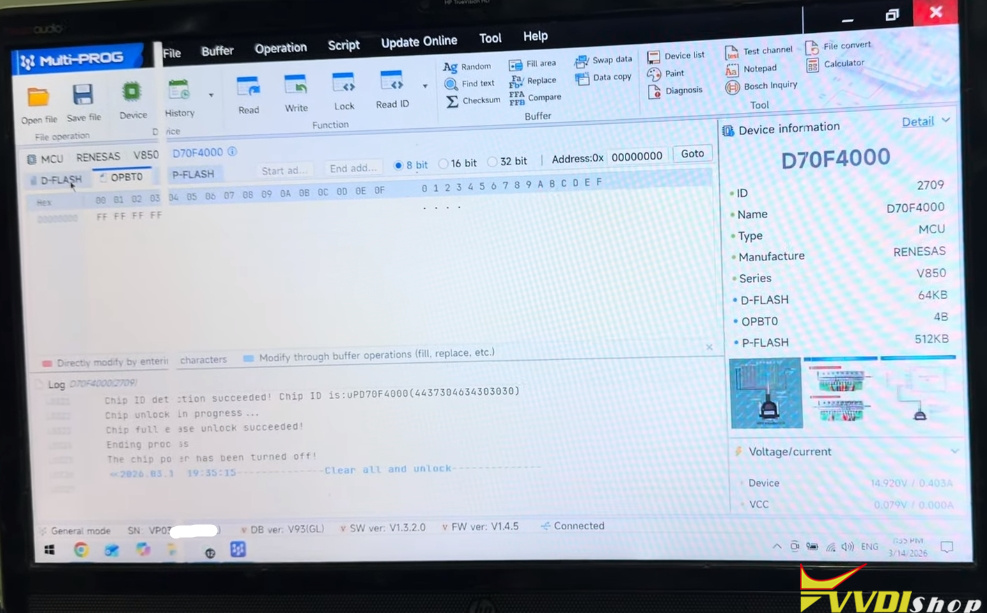
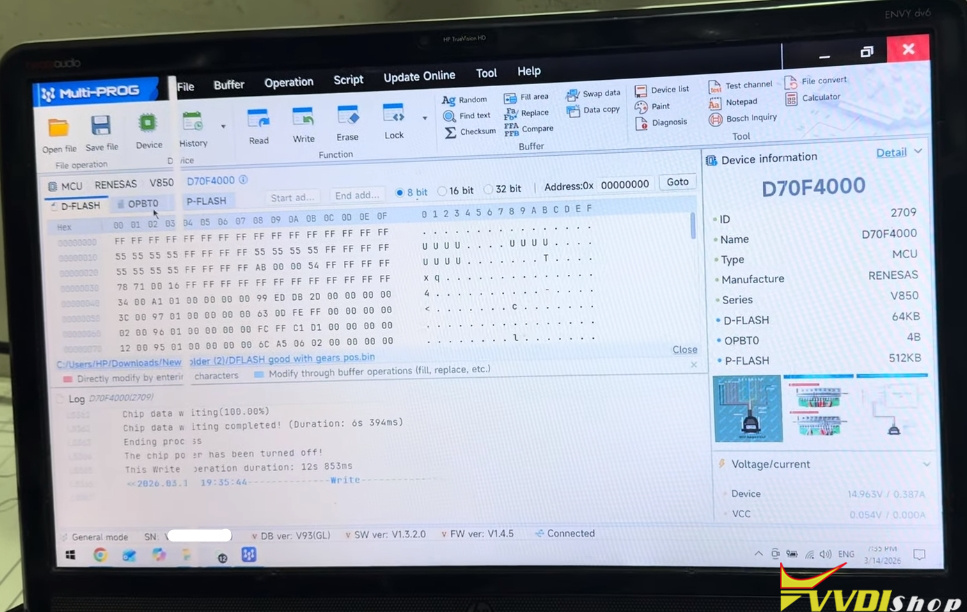
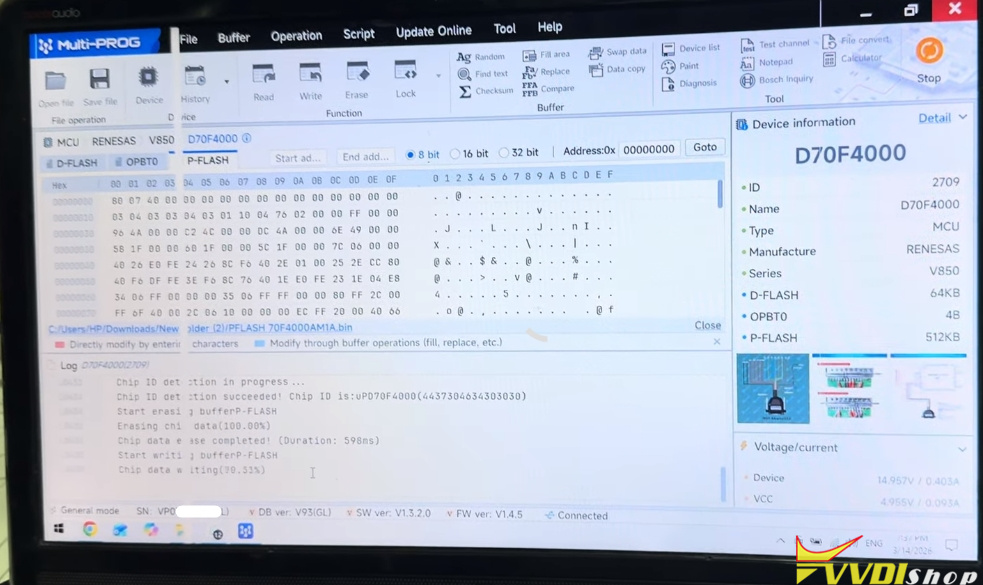
- Xhorse VVDI Prog or Multi Prog (both are capable of reading and writing the D70F4000 chip)
- Soldering equipment (if chip-level repair is needed)
- A stable power supply
- Basic hand tools for trim removal
Step-by-Step Repair Procedure
Step 1: Vehicle Preparation
Ensure the vehicle is parked on a level surface with the wheels pointing straight ahead. Disconnect the battery negative terminal to prevent electrical damage during the repair. Wait at least 10 minutes for all systems to power down.
Step 2: Accessing the Sensor
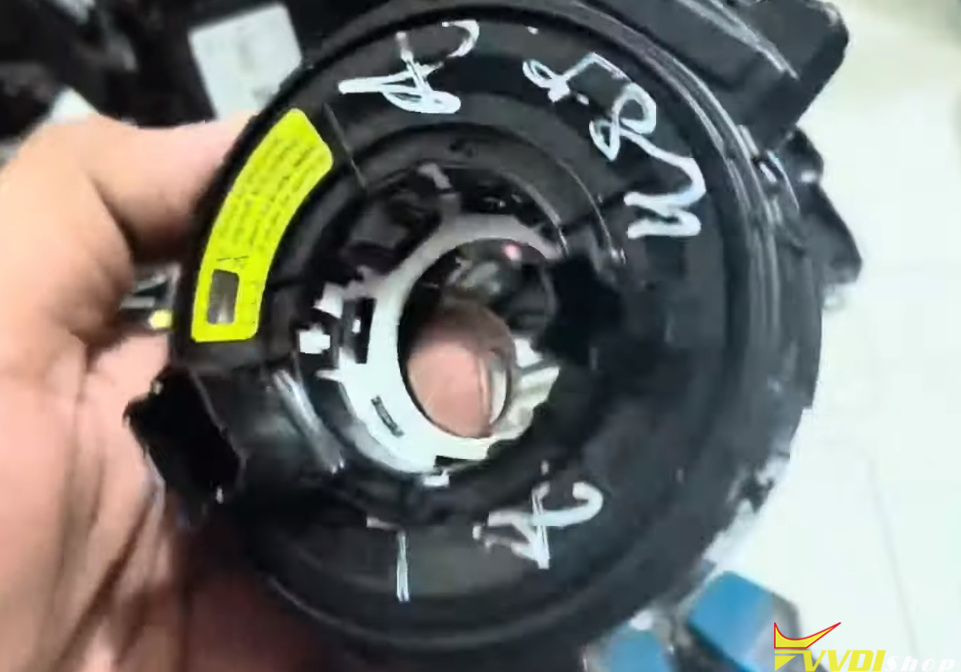
The G85 sensor is typically located behind the steering wheel, integrated into the steering column module or the clock spring assembly. Remove the airbag and steering wheel according to manufacturer specifications. Exercise extreme caution when handling airbag components.
Step 3: Removing the Sensor Module
Once the steering wheel is removed, locate the sensor module. Disconnect all electrical connectors carefully. Note that some modules may have connectors on both sides. Remove the mounting screws and extract the module from its housing.
Step 4: Reading and Writing Data
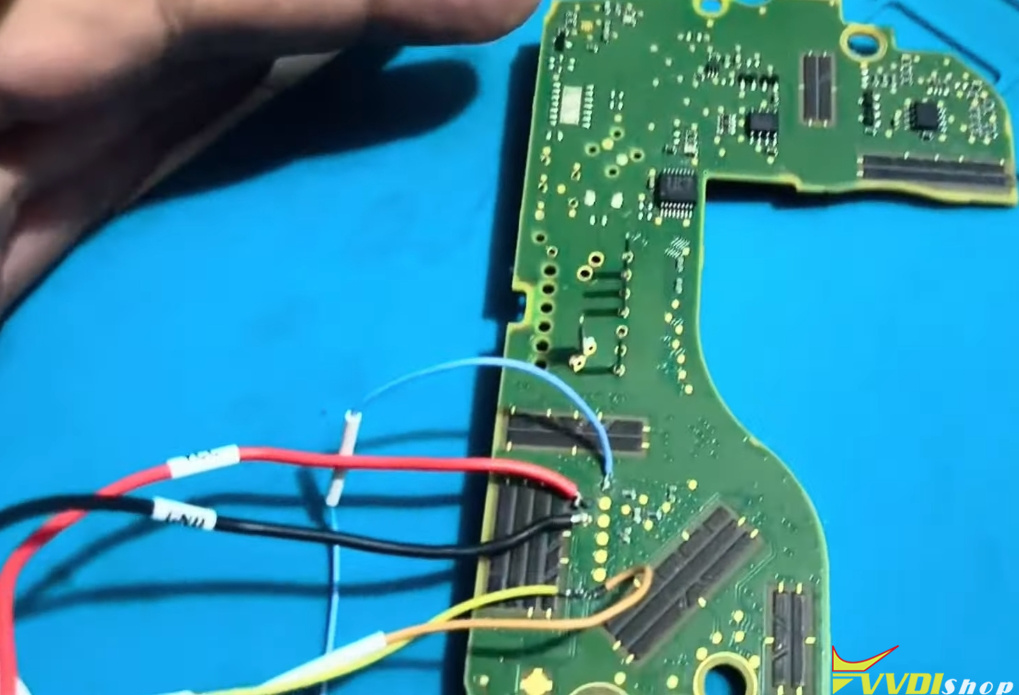
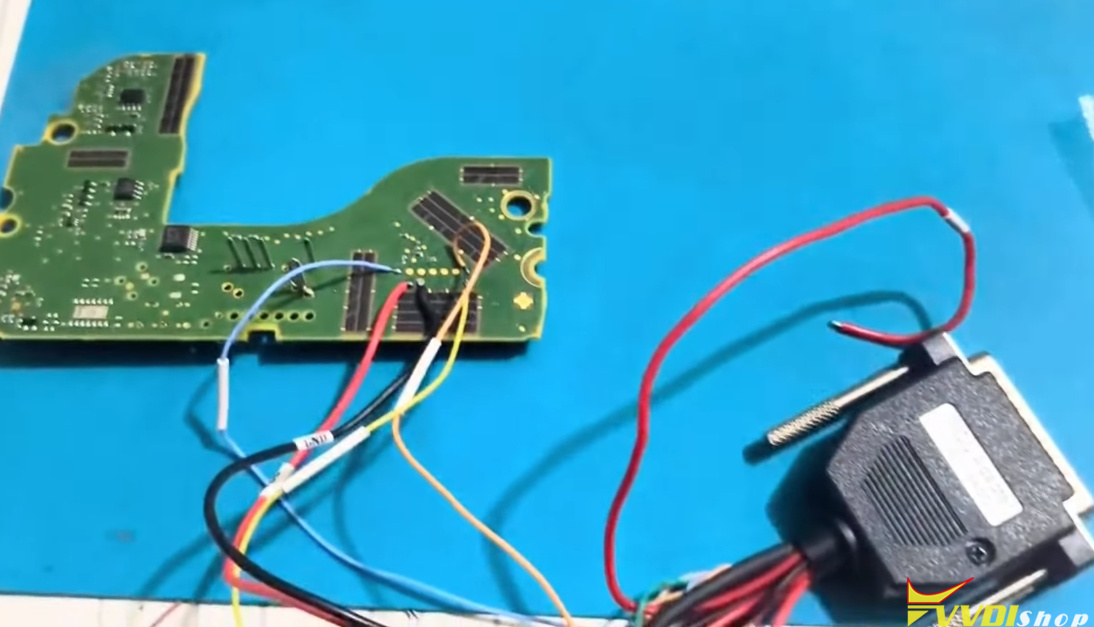
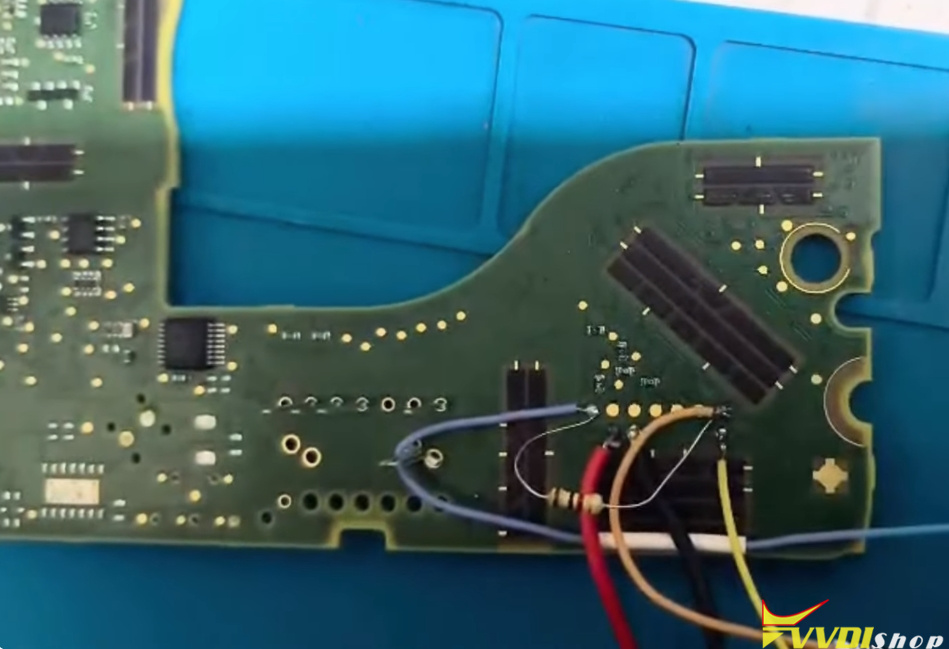
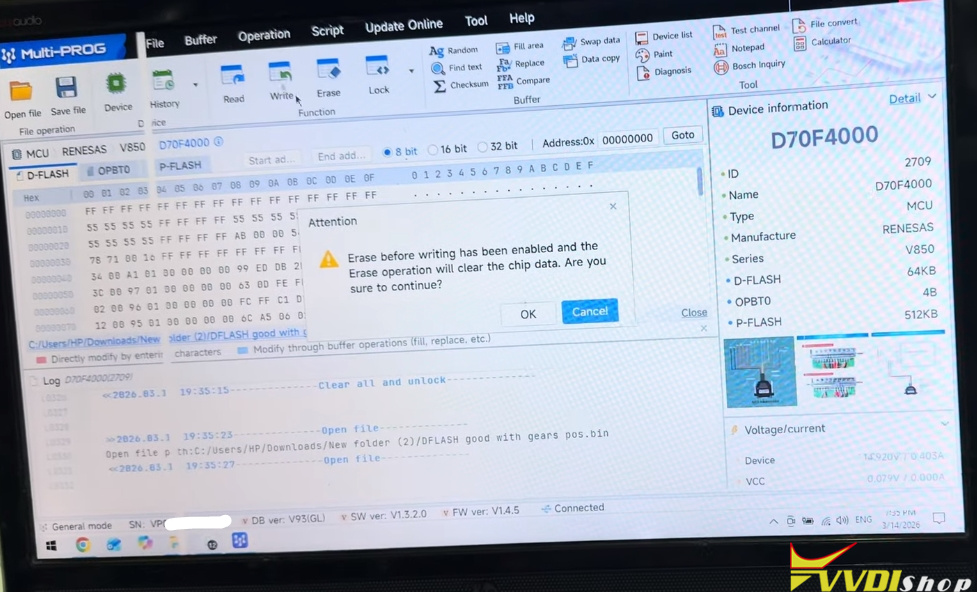
Using your programming device, read the original data from the D70F4000 chip. Always back up this data before making any changes. If the sensor is being replaced, you may need to transfer the original data to the new unit or perform an adaptation procedure.
Step 5: Reinstallation
Reinstall the repaired or replaced sensor module in reverse order of removal. Reconnect all electrical connectors, ensuring they are fully seated. Reinstall the steering wheel and airbag assembly.
Step 6: Calibration
After reinstallation, the steering angle sensor must be calibrated using a diagnostic tool. Follow the specific calibration procedure for your vehicle model. This typically involves driving the vehicle straight for a short distance while the diagnostic tool monitors the sensor values.
Important Considerations
- Chip Selection: Using the correct chip type is critical. Aftermarket or incorrect chips may not be recognized by the vehicle’s system, leading to starting or communication failures.
- Data Integrity: Always verify that data is written correctly before reassembling the vehicle.
- Battery Voltage: Maintain stable battery voltage throughout the programming process to avoid corrupting the module.
- Professional Assistance: If you are unfamiliar with chip-level programming or airbag removal, seek professional assistance to avoid costly damage or injury.
Conclusion
Repairing the Audi G85 steering sensor requires precise equipment, proper technique, and attention to detail. While the process can be completed by experienced technicians, those unfamiliar with module programming should consider professional service. Proper calibration after repair is essential to restore full vehicle functionality and ensure safety systems operate correctly.